Our Products
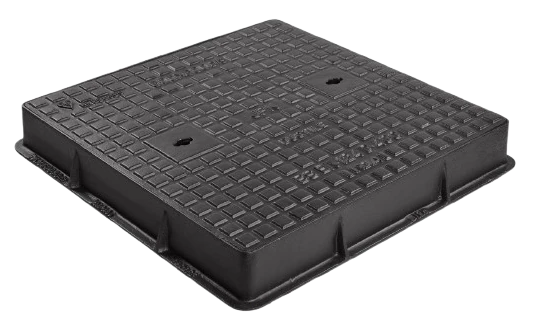
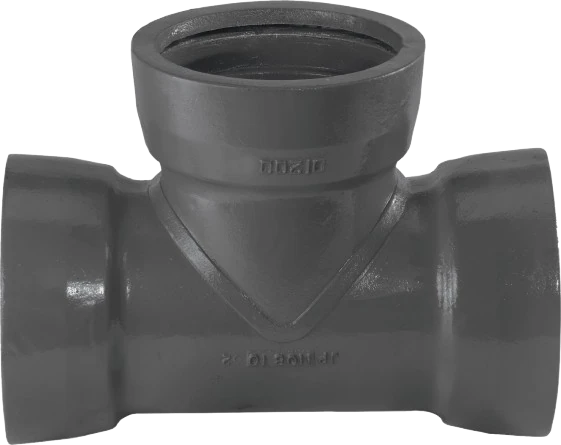
Iron castings for drainage, water, roads, farming and industry
JPK Metallics has made iron castings since 1976 at its integrated 1,85,000 sq.ft. foundry in Howrah, West Bengal, with melting, moulding and machining under one roof. We cast ductile iron (S.G. iron) and grey cast iron, and supply municipal and utility projects, contractors, distributors and manufacturers in India, the UK, the USA, Europe, the Middle East, Africa and Australia.
Our product ranges
- Sanitary castings: manhole covers and frames in ductile iron and grey cast iron (solid top, recessed, double triangular and multi-leaf), gully and channel gratings, tree grates, floor drains, cleanouts, valve boxes and hydrant boxes.
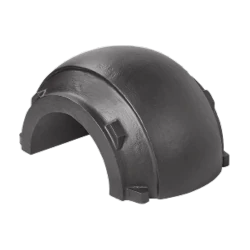
- Engineering castings: machine and industrial parts in S.G. iron and grey cast iron made to your drawing, such as spherical bushes, bed plates, shafts and housings.
- Ductile iron pipe fittings: double socket bends from 11.25° to 90° and other fittings for water supply and drainage, with powder or epoxy coating.
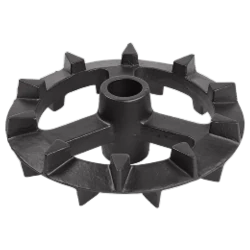
- Agricultural components: Cambridge wheels, star rings, jagged rings and smooth rings for soil levelling, compaction and seedbed preparation.
Ductile iron or grey cast iron?
Ductile iron has its graphite in round nodules, which makes it strong and tough: a ductile iron cover is lighter than a grey iron cover of the same load class and resists impact better, so it is the usual choice for road covers and gratings. Grey cast iron, with flake graphite, is heavier for the same strength but economical, and suits lighter-duty covers, gratings, utility boxes and agricultural rings.
Load classes, standards and coatings
Our ductile iron covers and gratings come in the EN 124 load classes A15, B125, C250 and D400. Selected D400 covers are made to BS EN 124, and some ranges carry the BSI Kitemark; each product page shows which. Our load class guide explains which class to choose. Covers and gratings are supplied with a bitumen coating (gloss or matte) or an epoxy coating.
Quality and testing
Our in-house laboratory has a spectrometer for the chemical composition, a digital microscope for the structure of the iron and a universal testing machine (UTM) for strength, supported by load, pull and tilt testing machines for covers and frames. The company holds ISO and ICMQ certificates; see Certifications.
How we make them
Metal is melted in two dual-track induction furnaces (1,000 kg and 900 kg) and two cupola furnaces, with a combined melting capacity of 15,000 tonnes a year across ductile iron, grey iron and steel. High-volume castings such as covers and gratings are moulded on DISA ARPA 900 and ARPA 450 moulding machines, with green sand from a 20-tonnes-per-hour automatic sand plant, and large or special sizes on a manual moulding line. Complex engineering castings are made in our no-bake division (a 6-tonnes-per-hour sand plant) for close dimensional accuracy and a fine surface finish. Castings are then finished in our machining division, which has a VMC, a plano-miller, a planer and lathes.
See our infrastructure for the full list of equipment.
Engineering castings for machinery and railways
Our engineering castings include bed plates, top bearers, coiler base plates and roller stands for jute and textile machinery; axle box housings for railway rolling stock and earth covers for railway infrastructure; DM-9 and DM-11 tops for heavy power transmission; S.G. iron housings for turbine gears; and housings and bench pipes for hot gas chambers. Send us your drawing, material grade and quantity for a quotation, including machining and coating.
Custom sizes, delivery and support
Every project is different, so besides our standard ranges we make castings in custom sizes and designs. From production to dispatch, our processes are built for consistent, on-time delivery, and after delivery our team answers questions and helps with repeat orders; see our services.
Who we supply
Our castings go into municipal sanitation and drainage, water supply networks, roads, construction and railway projects, farming, and industrial machinery. Customers include contractors, utilities, distributors and importers of drainage products, and manufacturers who need machine parts cast and machined to their drawings. Export orders are shipped by sea in containers to the UK, the USA, Europe, the Middle East, Africa and Australia.
Questions
What is the capacity of the JPK Metallics foundry?
The induction and cupola furnaces have a combined melting capacity of 15,000 tonnes a year, on a 1,85,000 sq.ft. site in Howrah, West Bengal.
How do I choose the right manhole cover?
Start from the place of installation, which gives the load class (for example B125 for footways, D400 for roads), then the clear opening size, the shape, single or double seal, and options such as hinges, locking or a recessed top for paving. Send us these details and we will recommend a product.
Can JPK Metallics make castings to our drawing?
Yes. We make engineering castings to customer drawings, specifications and material grades, from pattern development to the machined casting.
How do I get a quotation?
Send the product, size, load class, quantity, coating and destination through the enquiry form or to [email protected]. More answers are on the FAQ page.