
Sanitary Castings in Ductile Iron and Cast Iron
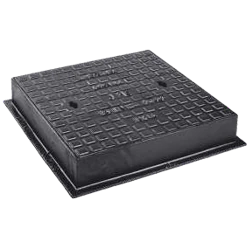
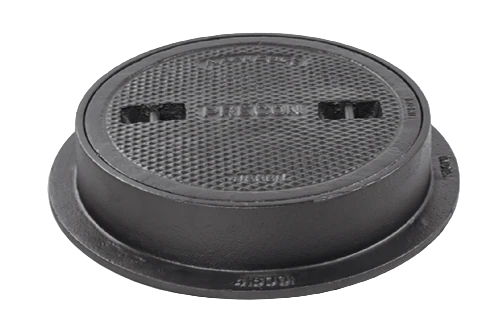
What are sanitary castings?
Sanitary castings are the iron parts of drainage, sewerage and water networks that are seen at street level: manhole covers and frames, gully and channel gratings, tree grates, floor drains, cleanouts, valve boxes and hydrant boxes. They have to carry traffic, keep people safe, keep smells and debris out and last for decades in all weather.
JPK Metallics makes them in two materials: ductile iron for the strongest, lightest covers and gratings, and grey cast iron for economical covers, gratings and utility boxes.
Types of covers and gratings
- Solid top covers with an anti-slip surface, in single-seal and double-seal versions; double-seal covers have a rubber gasket for watertight, odour-proof sealing.
- Recessed covers that are filled with concrete, bricks or tiles so the cover blends with the paving around it.
- Double triangular and multi-leaf covers with a split, space-saving design for large openings and heavy traffic.
- Circular covers, including hinged covers for single-person access and circular covers in square frames.
- Gratings: channel grates, gully grating box units, floor drains and syphons.
- Tree grates, square and round, for streets and public spaces.
How to choose
- Load class: from the place of installation, for example B125 for footways and car parks, C250 for kerbside channels and D400 for roads (see the load class guide).
- Clear opening and frame size: the opening of the chamber below.
- Sealing: single seal, or double seal with a rubber gasket where smells or water must stay in.
- Top: solid with anti-slip pattern, or recessed to take the surrounding paving.
- Options: hinges, locking against theft, GRP panels against debris, and the coating.
Standards and quality
Our ductile iron covers and gratings come in EN 124 load classes A15 to D400. Selected D400 covers are made to BS EN 124 and some ranges carry the BSI Kitemark, as shown on each product page. Castings are checked in our in-house laboratory, which has a spectrometer, a digital microscope, a universal testing machine and load, pull and tilt testing machines.
Where they are used
Our sanitary castings are used by municipal sanitation and drainage projects, water supply and utility networks, road and highway contractors, housing and commercial developments, car parks, industrial sites, parks and streetscapes. Covers for foul sewers and indoor areas are usually double-sealed; covers in paved plazas and streets are often recessed so they match the paving; gratings collect surface water at kerbs, in channels and on industrial floors; tree grates protect the roots of street trees while letting air and water through.
Gratings for surface water
Channel grates and gully gratings carry rainwater and surface water into the drains quickly, which helps prevent surface flooding, and their open pattern lets air circulate. Our ductile iron Flowline channel grates come in B125, C250 and D400, with anti-theft locking available; Flowmaster gully grating box units carry D400 road traffic and are also used on industrial floors.
Valve boxes, hydrant boxes and access castings
We also cast the boxes and fittings that give access to services below ground: valve boxes with lids, and extension rings that adjust their depth to the pavement build-up; hydrant boxes that keep fire hydrant valves reachable for emergency services; water meter covers with a hinge and lock; cleanout bodies and lids for drainage pipes; and anti-slip step irons for manholes and access shafts. See other cast iron castings.
Made in our foundry
Covers, frames and gratings are moulded on DISA ARPA 900 and ARPA 450 machines with green sand from our automatic sand plant, so every casting of a model has the same shape and fit. Iron is melted in induction and cupola furnaces with a combined capacity of 15,000 tonnes a year. Each cover is made to fit its frame, and covers and frames are supplied together with the coating you choose: bitumen (gloss or matte) or epoxy.
Questions
What is the difference between a single-seal and a double-seal cover?
A single-seal cover sits in its frame on one seating surface. A double-seal cover has two seating surfaces with a rubber gasket between cover and frame, which keeps water and smells in: the usual choice for foul sewers and indoor areas.
What is a recessed manhole cover?
A cover with a tray that is filled with the same concrete, bricks or tiles as the surrounding surface, so the cover blends in. It is flush-mounted and used in paved streets, plazas and buildings.
Which load class is needed for a road?
Covers in road carriageways, hard shoulders and parking areas for all vehicles need at least class D400 (400 kN test load) under EN 124. Kerbside gratings need at least C250.
Can manhole covers be locked?
Yes: several models have a lockable option or anti-theft locking, such as Urban Pro, Arcedge Pro and the Delta double triangular covers. Hinged covers stay attached to the frame when opened.